Intake-air protection
Helps keep abrasive airborne contaminants out of the engine intake.

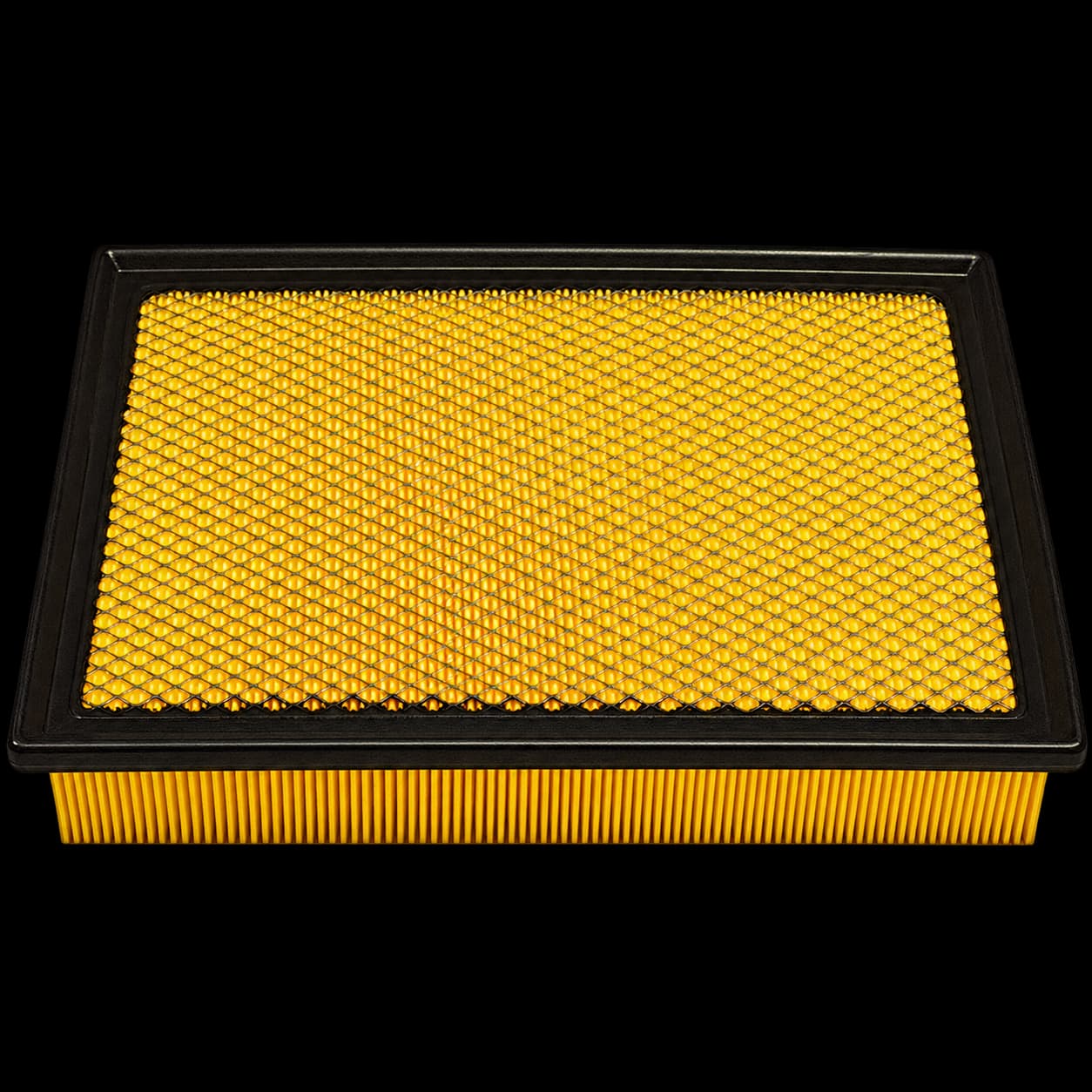
Road dust and sand place different demands on engine intake filtration. Explore the media and filter format that fit your vehicle and its operating conditions.
Discuss your requirementDescribed for dust, dirt, sand and airborne contaminant removal with good airflow under changing riding and road conditions. Available formats include two-wheeler and four-wheeler formats.
Discuss this variant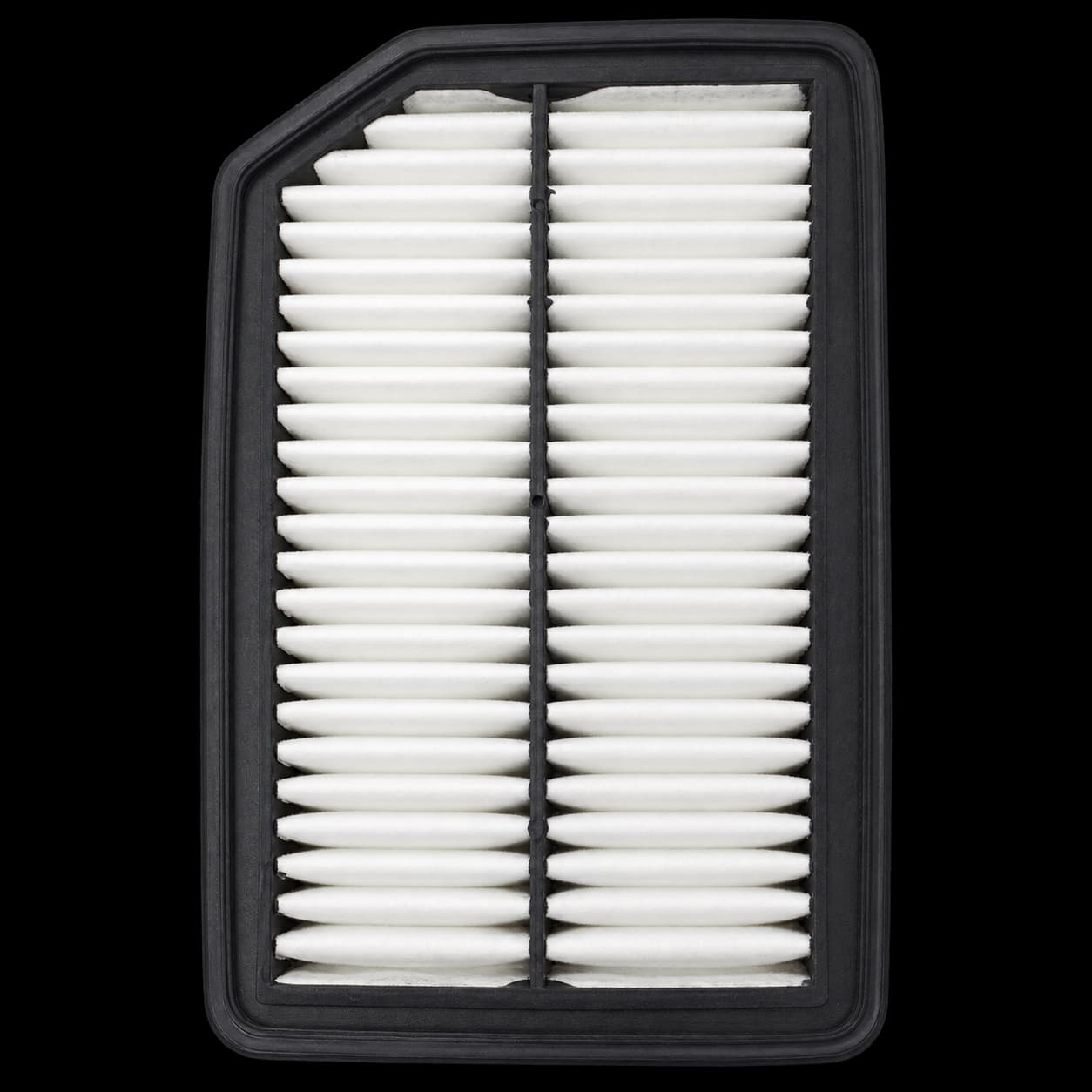
Capture dust in HVAC and ventilation systems with PARK pleated panel filters. Compare synthetic media, frame options and sizes for your installation.
Explore product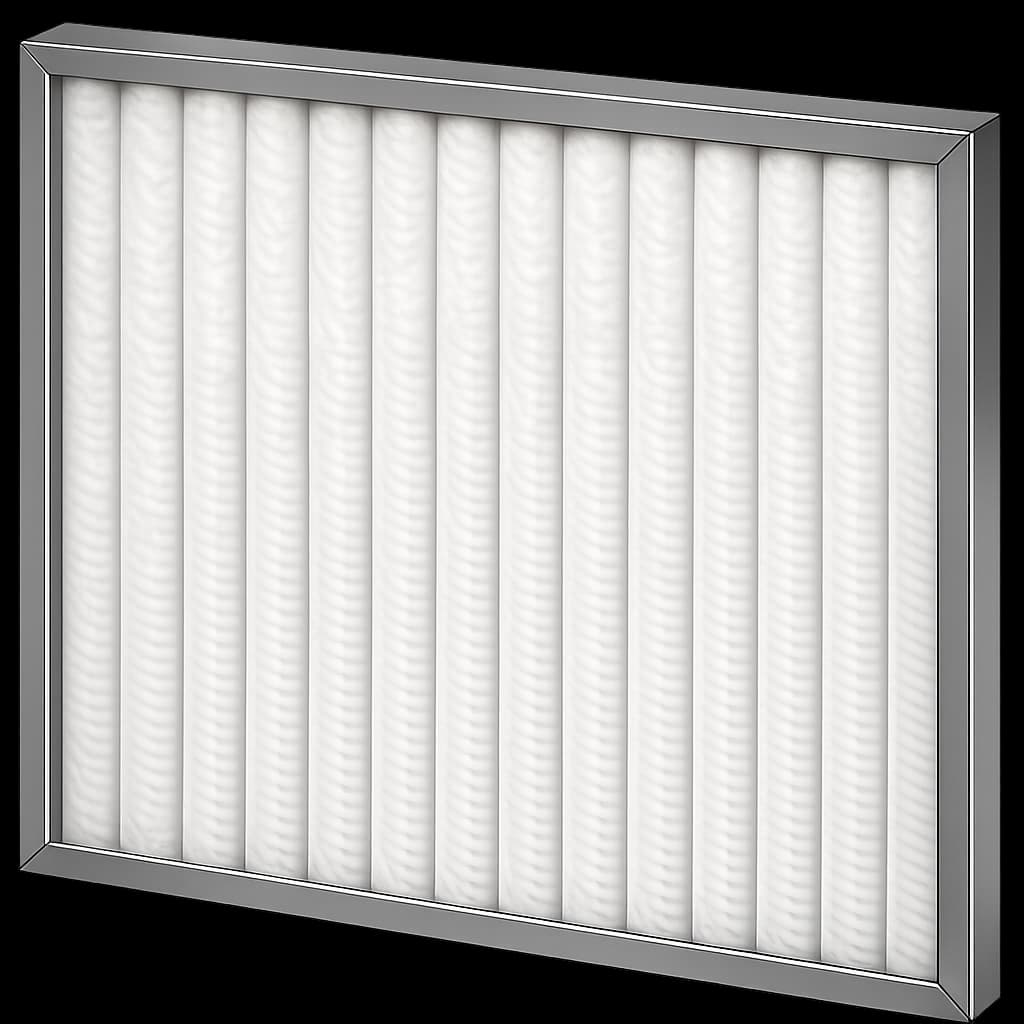
An engine air filter removes airborne contaminants from intake air before it reaches the engine. Available options include synthetic nonwoven engine filters and cellulose engine filters, including two-wheeler and four-wheeler formats.
Intake air passes through the selected media, which retain dust, dirt, sand and other particles. The assembly must balance contaminant capture with the airflow needed by the engine.
Helps keep abrasive airborne contaminants out of the engine intake.
Synthetic nonwoven and cellulose formats are both available in the range.
Standard sizes and special sizes on request are listed for different assemblies.
Keep dust and sand out of engine intake air with PARK engine air filters. Explore synthetic or cellulose media and formats for your vehicle.
Cellulose or synthetic media
Ranges are listed in the supplied PARK product catalogue and describe available options, rather than a single filter specification. Confirm the selected grade, dimensions, test report and operating conditions before ordering. EN 779 references are retained as catalogue terminology.
Final media grade, dimensions and performance specifications are selected for the application. For liquids, confirm chemical compatibility, temperature, flow rate and the required particle rating. For air systems, confirm airflow, pressure drop and installation fit.
These catalogue products serve different systems. Cabin filters treat passenger ventilation air; engine filters protect engine intake air. Confirm the required assembly and engine reference when enquiring.
The catalogue lists standard or customer-specific formats. Share the filter dimensions and system details to confirm availability.
Include the application, existing filter dimensions, required media or grade, operating conditions and estimated quantity. Attach an existing drawing or specification when available.
Whether you are replacing a filter or selecting one for a new system, tell us what you need to remove and how your equipment works. We can discuss suitable product options and the details needed for your enquiry.