Continuous dust collection
These filters support continuous and high-dust-load applications.

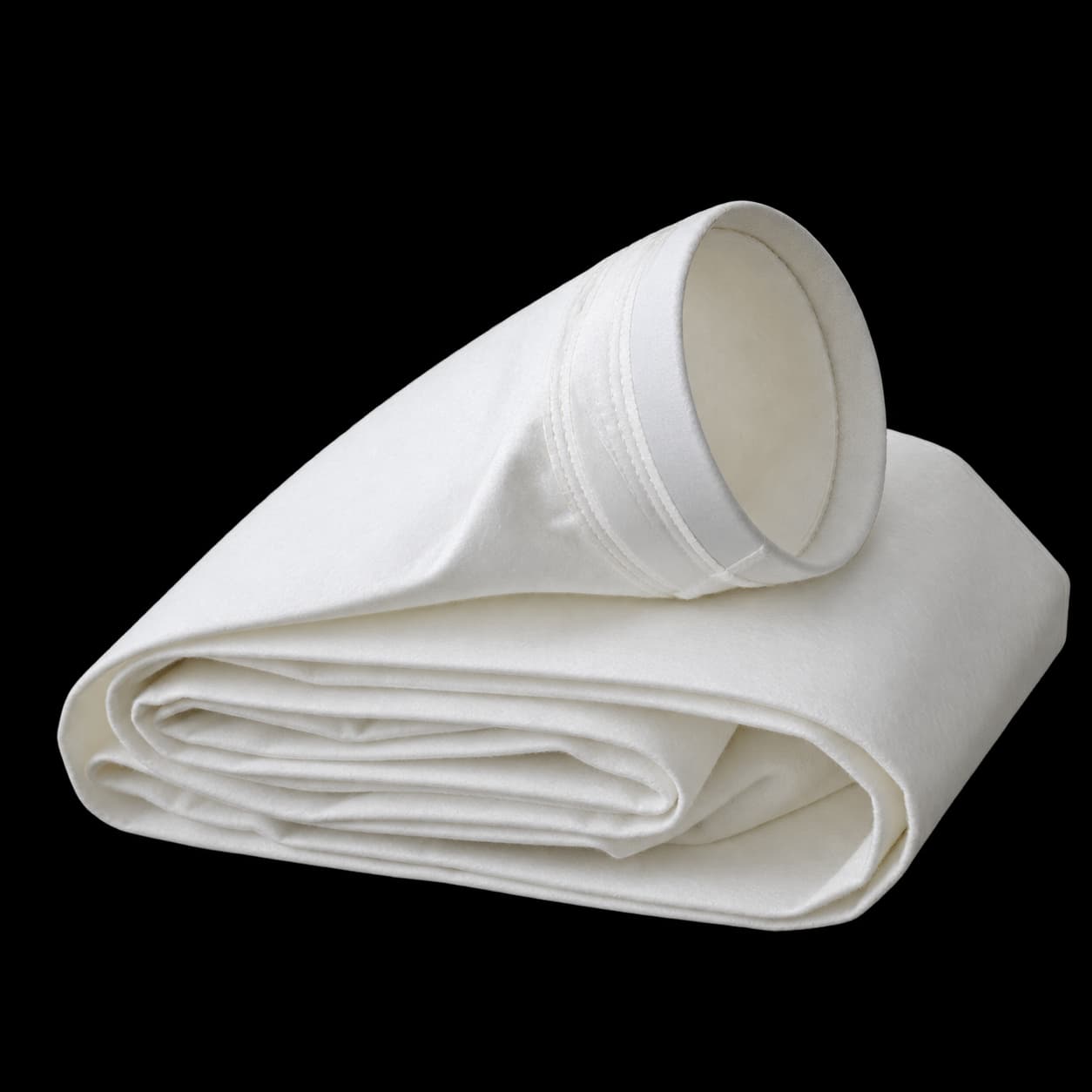
Dust load, temperature and collector dimensions shape industrial filtration. Start with your process, then compare bag-filter materials and formats.
Discuss your requirementCapture dust in HVAC and ventilation systems with PARK pleated panel filters. Compare synthetic media, frame options and sizes for your installation.
Explore product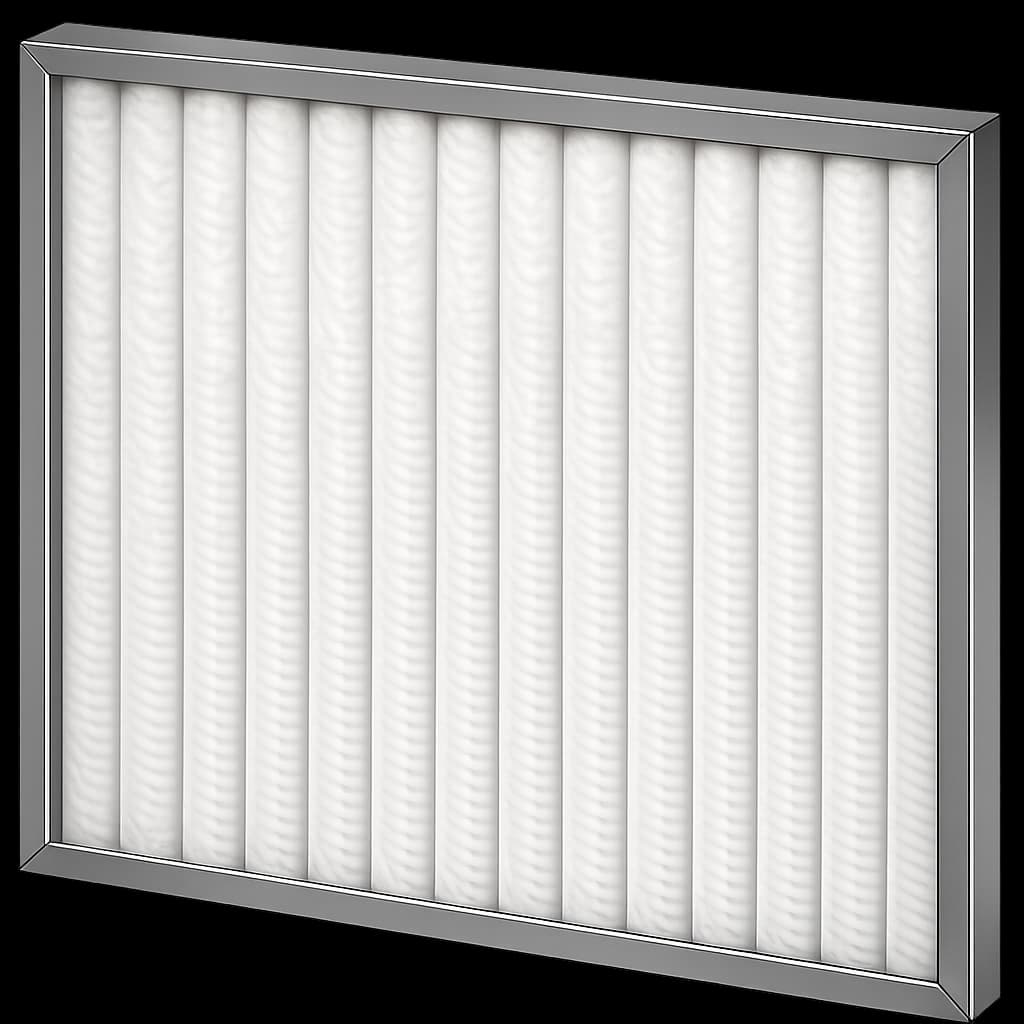
Industrial bag filters are dust-collection filters described for continuous processes with high particle loads. They are a separate product family from HVAC pocket filters.
Dust-laden process air passes through the selected filter medium, which retains particulate matter. The appropriate material and assembly depend on process conditions and the dust collector. Our range includes several polymer, glass-fibre and aramid media options.
These filters support continuous and high-dust-load applications.
PET, PPS, PTFE, glass fibre, aramid, PP, HPA and P84 options are listed.
Applications include cement, metals, power, chemicals, minerals, woodworking and material handling.
Manage process dust with PARK industrial bag filters. Compare material options against your dust load, operating temperature and collector dimensions.
PET, PPS, PTFE, glass fiber, aramid, PP, HPA (homopolymer acrylic) and P84
Ranges are listed in the supplied PARK product catalogue and describe available options, rather than a single filter specification. Confirm the selected grade, dimensions, test report and operating conditions before ordering. EN 779 references are retained as catalogue terminology.
Final media grade, dimensions and performance specifications are selected for the application. For liquids, confirm chemical compatibility, temperature, flow rate and the required particle rating. For air systems, confirm airflow, pressure drop and installation fit.
Share the process conditions rather than treating the catalogue material list as interchangeable options. The selected medium must be checked for the actual dust, temperature, chemical exposure and collector assembly. P84 naming and the repeated catalogue classification ranges require clarification.
The catalogue lists standard or customer-specific formats. Share the filter dimensions and system details to confirm availability.
Include the application, existing filter dimensions, required media or grade, operating conditions and estimated quantity. Attach an existing drawing or specification when available.
Whether you are replacing a filter or selecting one for a new system, tell us what you need to remove and how your equipment works. We can discuss suitable product options and the details needed for your enquiry.